Portmeirion Walk & Visiting Guide
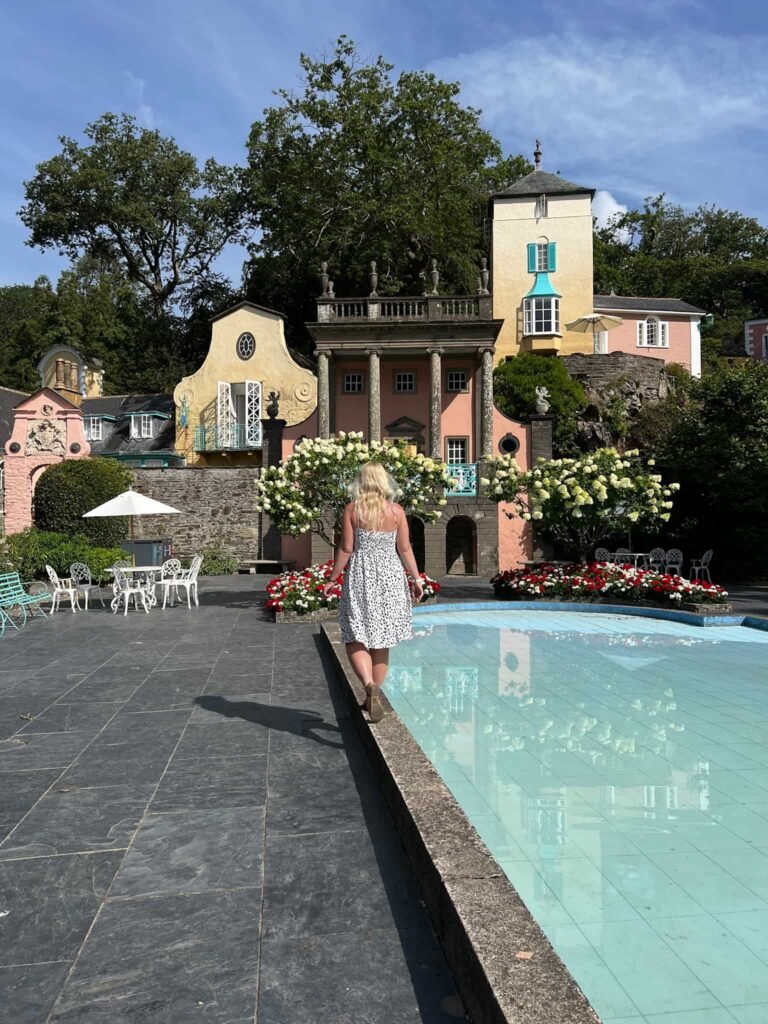
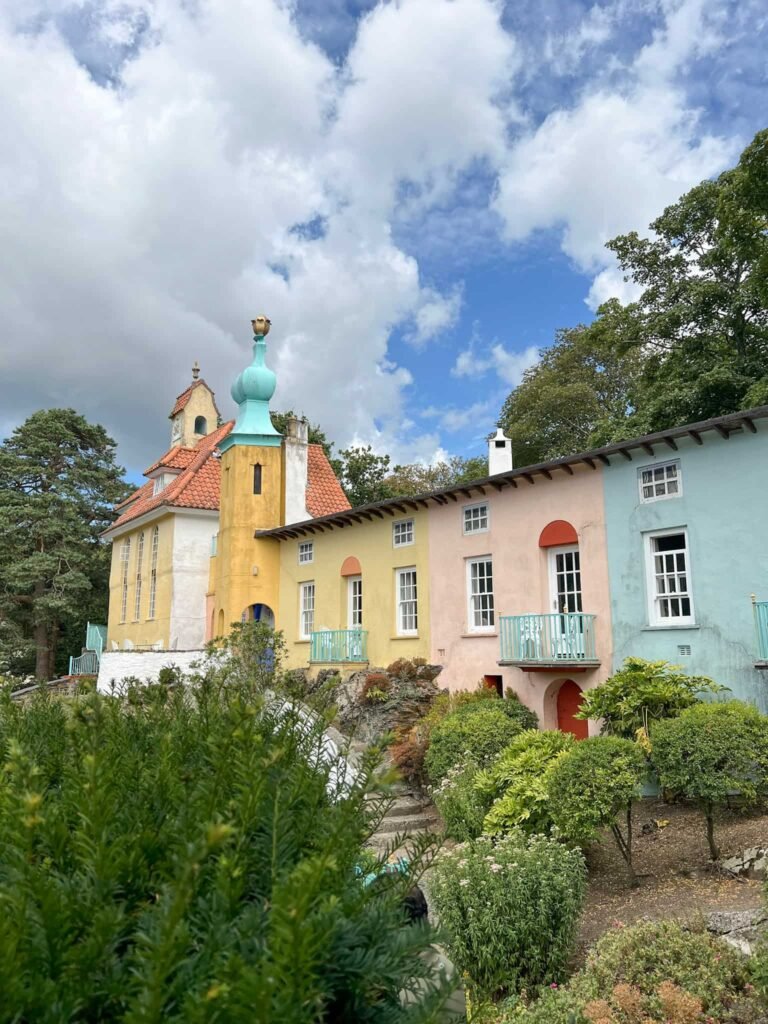
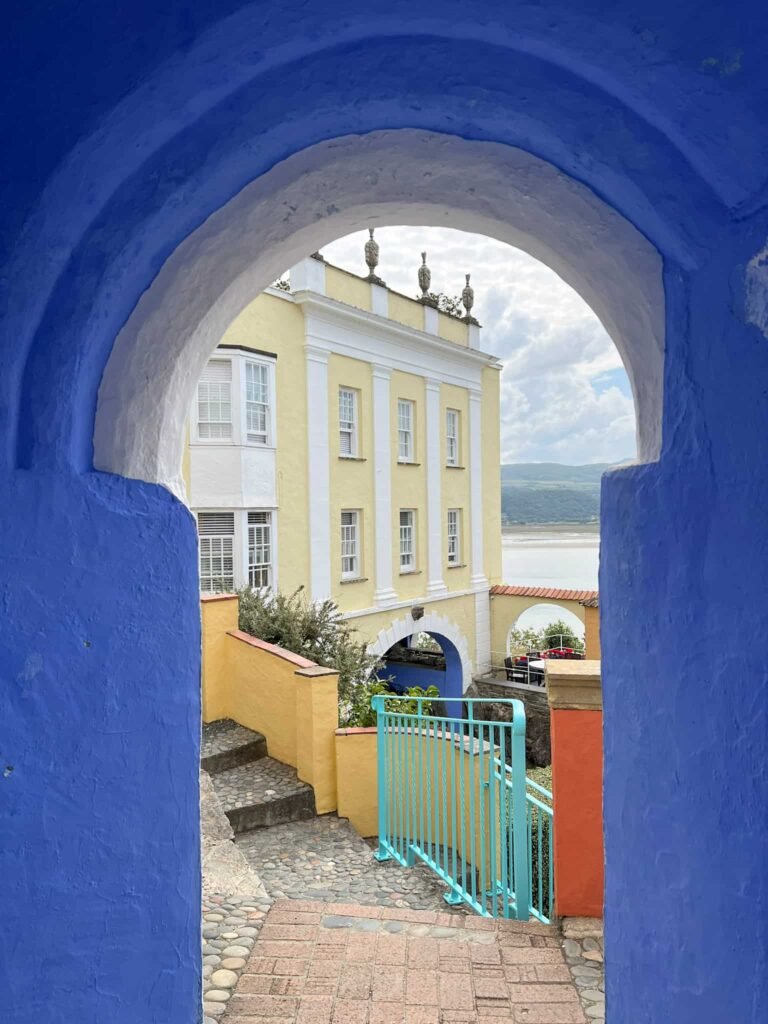
A little slice of Italy, in Wales? Portmeirion is one of those places that doesn’t feel quite real the first time you see it. Pastel-coloured buildings stacked above a still estuary, hidden woodland paths, follies round every corner – it’s more Italian Riviera than North Wales. This walk takes you through both sides of it, the wooded grounds and the village itself, and at just 1.4 miles it’s an easy one to fit into any weekend, whatever else is on your itinerary. It’s worth spending a morning or afternoon exploring this little slice of whimsy!
The Walk
Distance: 1.4 miles
Difficulty: Easy
Time: Around 1 – 1.5 hours, longer if you stop to explore
Terrain: Mostly flat paths and pavement, with some gentle slopes through the woodland
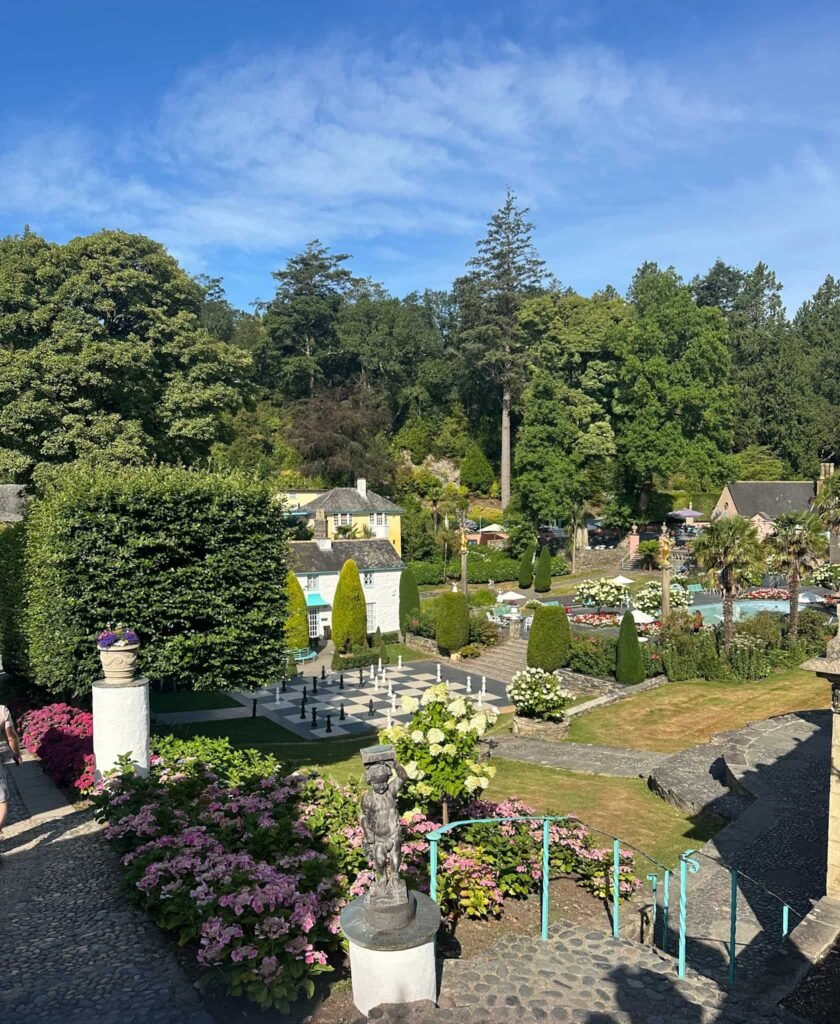
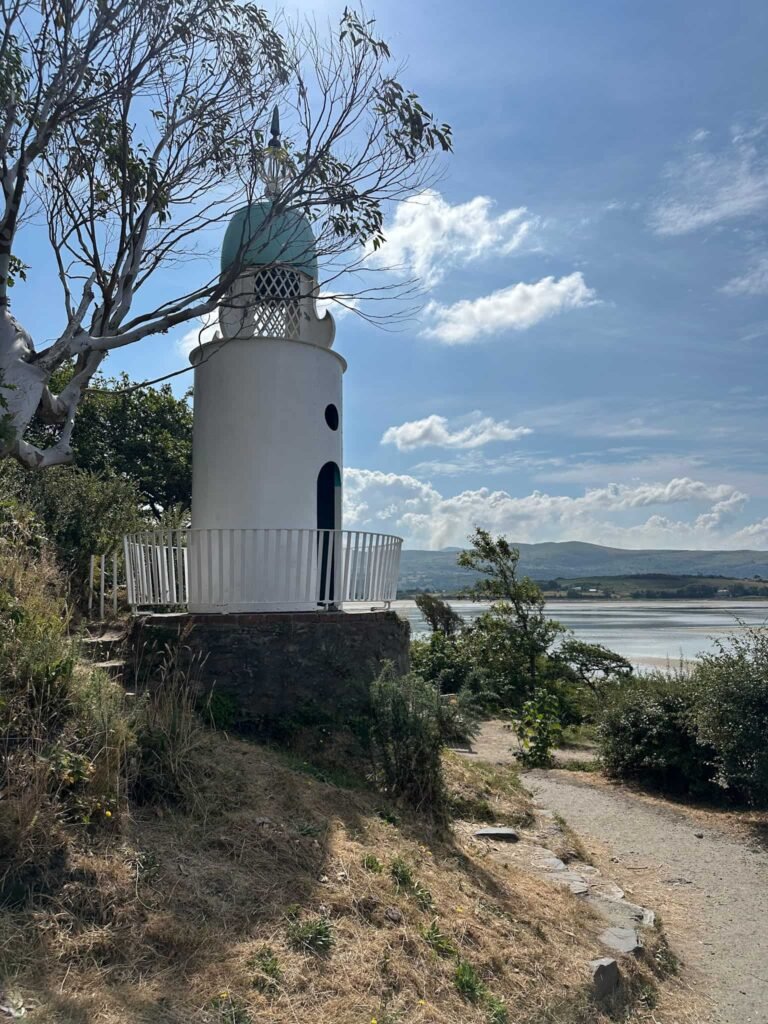
This gentle loop takes in the village’s pastel buildings and quiet corners first, then heads into the woodland known as the Gwyllt, where subtropical planting and shaded paths feel a world away from the bright village square just a few minutes back. Look out for framed estuary views as you wind through the trees, along with follies and ornamental touches tucked into the greenery. There’s also the quirky lighthouse down near the estuary.
Walk Map (Opens in OS Maps): Portmeirion Walk
Parking: Minffordd, Penrhyndeudraeth, Gwynedd, LL48 6ER – W3W://////clear.fights.bothered
Dogs: Only assistance dogs are allowed within the village and woodland.
Facilities: There are toilets, cafes and shops in the village.
Visiting Portmeirion: What You Need to Know
Opening Times
During the main season, from 23rd March 2026 to 1st November 2026, the toll booths open at 9.30am and the village closes at 6.30pm, with last entry at 5pm.
Outside of this, from 2nd November 2026 to 15th March 2027, opening hours shorten slightly, closing at 5.30pm with last entry at 4.30pm.
A visit outside peak season means smaller crowds and a different atmosphere once the summer greenery has died back. If visiting in summer, make sure you get there early if you want the chance to explore without the crowds – it’s a tour bus destination, so gets VERY busy.
Portmeirion Prices
Main season adult tickets are £20, with concessions (over 60s and students) at £18, and children aged 5-15 at £14. Under 5s go free. Family tickets are also available, starting from £39 for one adult and two children, up to £85 for two adults and five children. We paid £47 for 2 adults and 1 child.
Discounts are available for blue badge holders and carers, so worth checking the site directly if that applies to you.
Getting There and Booking
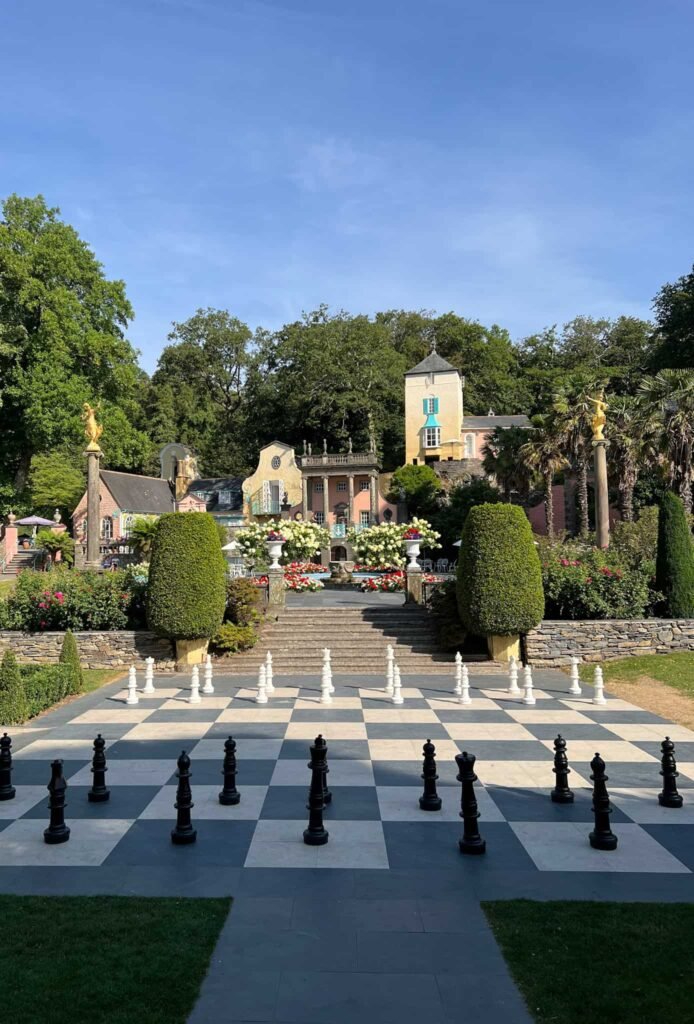
Tickets can be bought online in advance or on the day at the toll booth, though booking ahead is worth it in peak season to guarantee your arrival slot. We got there at 9.30am and were able to park easily, and had a chance to explore before it got too busy. We were even able to have a game of chess on the big board (Holly won, of course!).
Portmeirion is accessible by:
- car – Minffordd, Penrhyndeudraeth, Gwynedd, LL48 6ER W3W://////clear.fights.bothered
- bus – check out Traveline for details
- train – trains from London to Llandudno Junction, and then you can take the Conwy Valley line to Blaenau Ffestiniog. Here you’ll need to change at Minffordd, and then it’s a 1.5 mile walk or taxi to Portmeirion. More details here.
Portmeirion History
Welsh architect Clough Williams-Ellis acquired the site in 1925, having spent years searching for the right location for what he called his “ideal village”. He’d found an overgrown, long-neglected estate near Penrhyndeudraeth, with steep cliffs, an estuary, woodland and a handful of old buildings already in place, and renamed it Portmeirion, combining “Port” for its coastal setting with the Welsh name for the county it sat in.
The village was built in two main phases, the first running from 1925 to 1939 and introducing some of its most recognisable buildings, before work paused for the Second World War and resumed from 1954 through to 1976. Its instantly recognisable pastel, Italianate style has drawn comparisons to the Italian Riviera ever since, and it’s since become just as well known as the filming location for the 1960s cult TV series The Prisoner. Nowadays a lot of the buildings are holiday accommodation, available for short stays, and we also saw a wedding party. There is also a new campervan parking area.
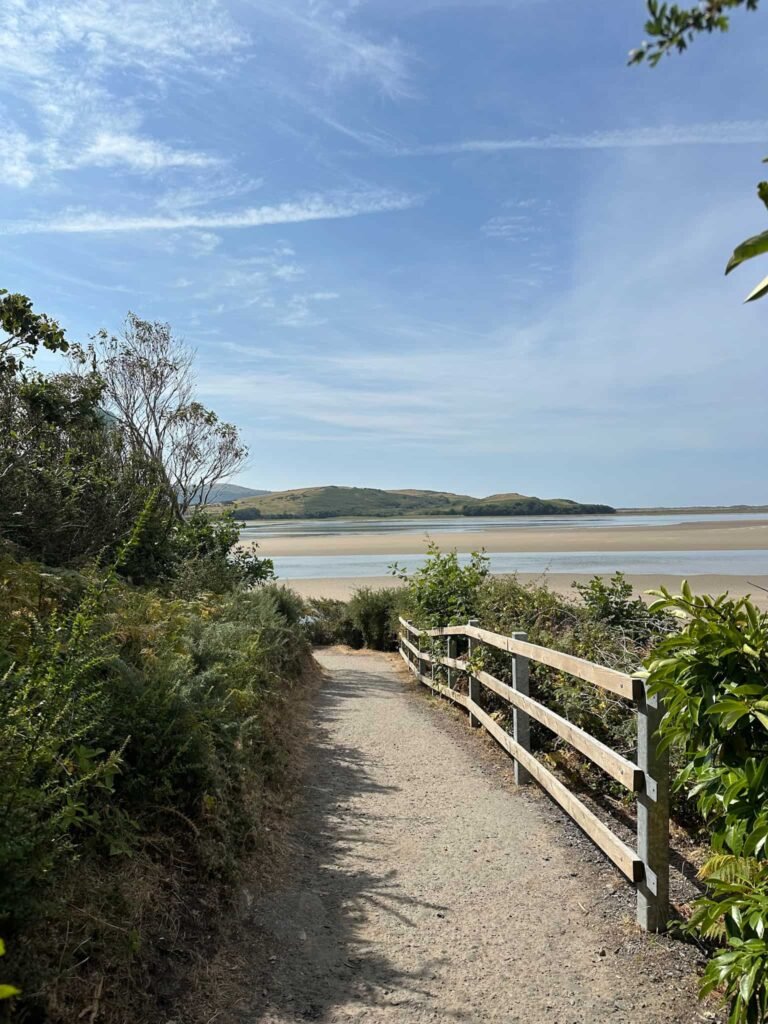
Whether you’re building a whole weekend around it or just adding a couple of hours to a bigger Llyn Peninsula itinerary, Portmeirion is well worth a visit. We visited as part of our Criccieth camping weekend. The walk alone makes for a lovely, easy morning, and the village’s history gives it a bit more depth beyond just the photo opportunities (although it is definitely a beautiful village).